Tesla Solar Panels Review: Pros & Cons
Tesla offers some of the lowest per-watt pricing in the US market, but limited customization and mixed installation reviews mean the cheapest quote is not always the best experience.
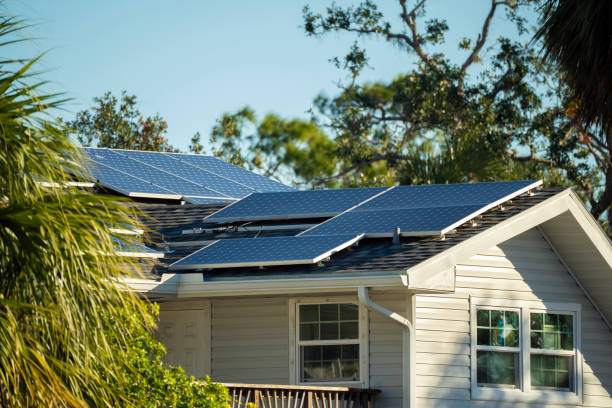
Tesla Energy entered the residential solar market by acquiring SolarCity in 2016 and has since rebuilt the business around a direct-to-consumer, standardized-design model. You configure a system online, Tesla generates a remote design based on satellite imagery, and their crew (or a certified subcontractor) installs it. The process intentionally removes the custom-quote, consultative sales layer that most solar companies use. The result is consistently lower pricing, often $2.00 to $2.50 per watt before incentives in 2026, but with trade-offs in design flexibility, communication, and post-install support.
Tesla sells solar panels, the Powerwall battery, and the Solar Roof (integrated solar tiles). This review focuses on their standard panel offering, which accounts for the vast majority of Tesla Energy installations. The equipment is solid mid-tier hardware, typically rebranded panels from Q Cells or similar Tier 1 manufacturers paired with Tesla's own inverter. Where Tesla polarizes customers is the service experience: fast and seamless for some, frustratingly opaque for others, with limited ability to escalate issues to a human who can resolve them.
Tesla solar overview
Tesla designs systems in standard size increments (4.8 kW, 8.0 kW, 12.0 kW, 16.0 kW, and so on) rather than customizing to your exact load profile. You select a size online, Tesla generates a design, and you approve or adjust before scheduling installation. This cookie-cutter approach enables volume pricing but means you cannot cherry-pick premium panels, add specific microinverters, or request non-standard placements without going back and forth with a design team that may take days to respond.
Want research like this in your inbox? Become a subscriber, free, no sales pitch.
Become a subscriber →2026 pricing
Tesla's online pricing tool shows cash prices starting around $2.00 per watt for larger systems before incentives, making them one of the lowest-cost residential providers nationally. A typical 8 kW system prices at approximately $16,000 before the 30 % federal tax credit. Adding a Powerwall ($11,500 installed as of mid-2026) brings the combined price into the mid-$20,000s. Tesla also requires Powerwall purchase with new solar installations in most markets, which raises the effective entry price but delivers battery backup included.
The price advantage comes from Tesla's elimination of sales commissions (no door-to-door reps, no dealer networks), standardized designs that reduce engineering time, and bulk equipment procurement. The trade-off is inflexibility: you take what Tesla offers or go elsewhere. Custom roof configurations, ground mounts, or specific third-party equipment are not available through Tesla.
Equipment and specs
- Panels: 400 to 420 W monocrystalline PERC modules (typically manufactured by Q Cells or similar Tier 1 partner), black frame, 20.5 % to 21.5 % efficiency.
- Inverter: Tesla-branded string inverter with integrated rapid shutdown. No microinverter option through Tesla directly.
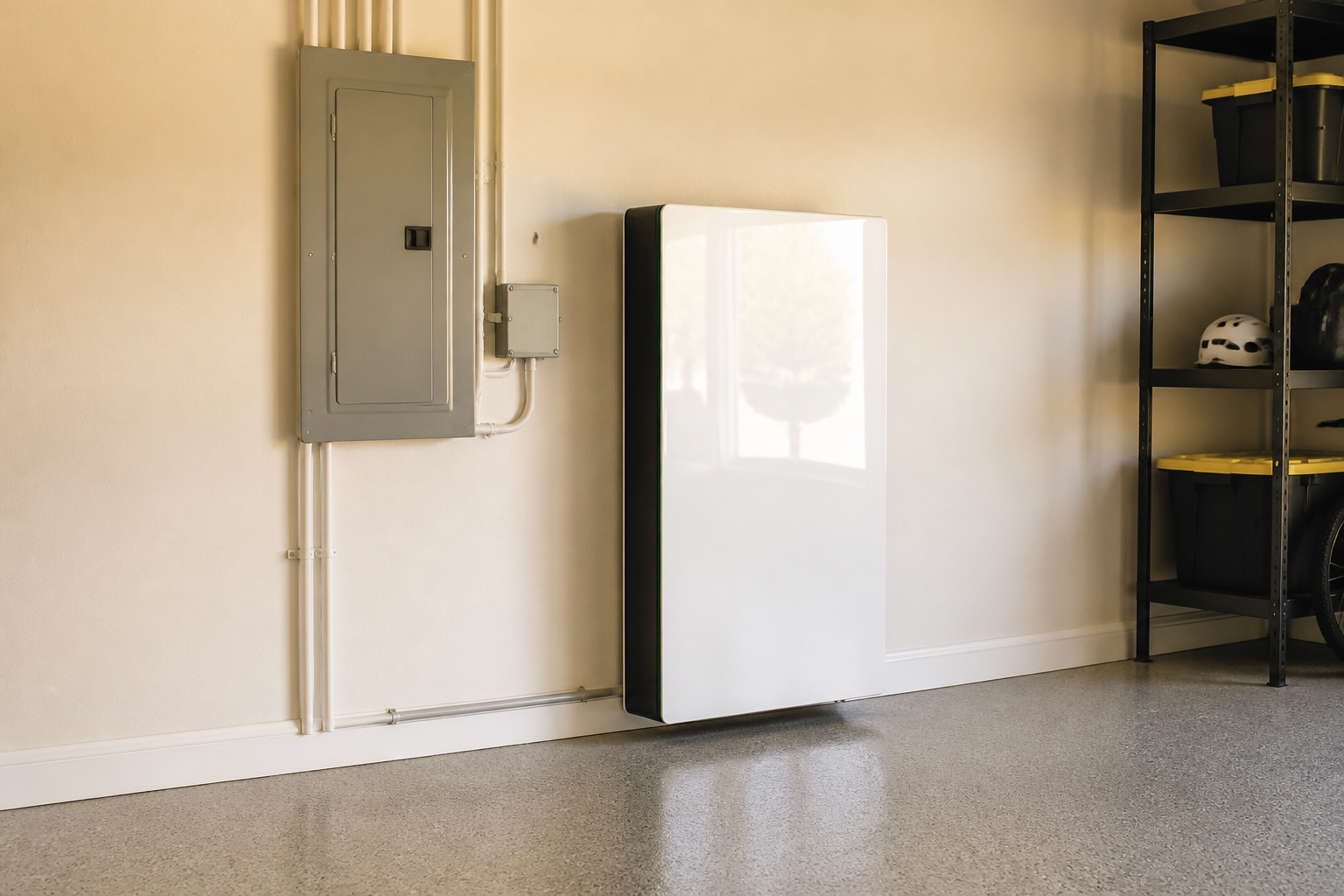
- Battery: Powerwall 3 (13.5 kWh usable), integrated hybrid inverter with built-in solar MPPT.
- Monitoring: Tesla app with real-time production, consumption, battery state, and grid status.
- Warranty: 25-year panel performance warranty, 12.5-year inverter warranty, 10-year Powerwall warranty.
Advantages
- Aggressive pricing: consistently $0.30 to $0.60 per watt below local installers for equivalent equipment.
- Integrated ecosystem: solar, battery, EV charger, and monitoring in one app.
- Powerwall backup: seamless whole-home or partial backup during outages.
- No sales pressure: fully online ordering eliminates pushy sales appointments.
- Price-match guarantee: Tesla will match a lower quote from a licensed competitor in some markets.
Drawbacks
- Limited customization: no choice of panel brand, no microinverter option, fixed system sizes.
- Communication gaps: automated status updates replace dedicated project managers, making issue resolution slow.
- Subcontractor variability: installation quality depends on the local crew Tesla dispatches, which varies by market.
- Mandatory Powerwall: battery requirement inflates cost if you only want panels.
- Post-install support: warranty claims and troubleshooting often involve long hold times and multiple escalations.
- Timeline unpredictability: permit and utility delays are common, and Tesla's communication about timelines is inconsistent.
Who it works for
Tesla solar is the strongest choice for homeowners who prioritize lowest cost, want battery backup, have a simple roof layout, and are comfortable managing the process through an app rather than a dedicated sales rep. It works less well for complex roofs that need microinverters, homeowners who want a specific premium panel brand, or anyone who values hands-on communication throughout the project. If you have a straightforward south-facing roof, sufficient tax liability for the ITC, and patience for a potentially bumpy communication experience, Tesla delivers excellent hardware at a price few competitors can match.
Even if Tesla's online price looks unbeatable, get at least two local quotes. Local installers sometimes match Tesla pricing when pushed and deliver better communication, faster timelines, and local warranty service. The cheapest system is not always the cheapest experience. See our inverter comparison for why microinverters matter on complex roofs.
Common questions
Are Tesla solar panels good quality?+
Tesla uses Tier 1 panels (typically manufactured by Q Cells or similar) that meet industry standards for efficiency and durability. The equipment itself is solid mid-tier hardware. Tesla's differentiator is pricing and ecosystem integration, not panel technology leadership.
Do I have to buy a Powerwall with Tesla solar?+
In most markets as of 2026, yes. Tesla bundles Powerwall with new solar installations. This adds $11,000 to $13,000 to the project cost but provides battery backup and integrated energy management. Some existing Tesla solar customers can add panels without a new Powerwall.
How long does Tesla solar installation take?+
From order to power-on, Tesla installations typically take 4 to 12 weeks depending on local permitting timelines and utility interconnection. Some customers report delays of 3 to 6 months in markets with slow permit offices or high demand.
Become a subscriber
Free updates on costs, incentives and panel tech, written for homeowners, not sales teams.
Become a subscriber →