Thin-Film Solar Panels: Pros, Cons, and When to Use
Thin-film modules weigh less, handle heat better, and cost less per panel, but efficiency trade-offs limit where they make sense for homeowners.
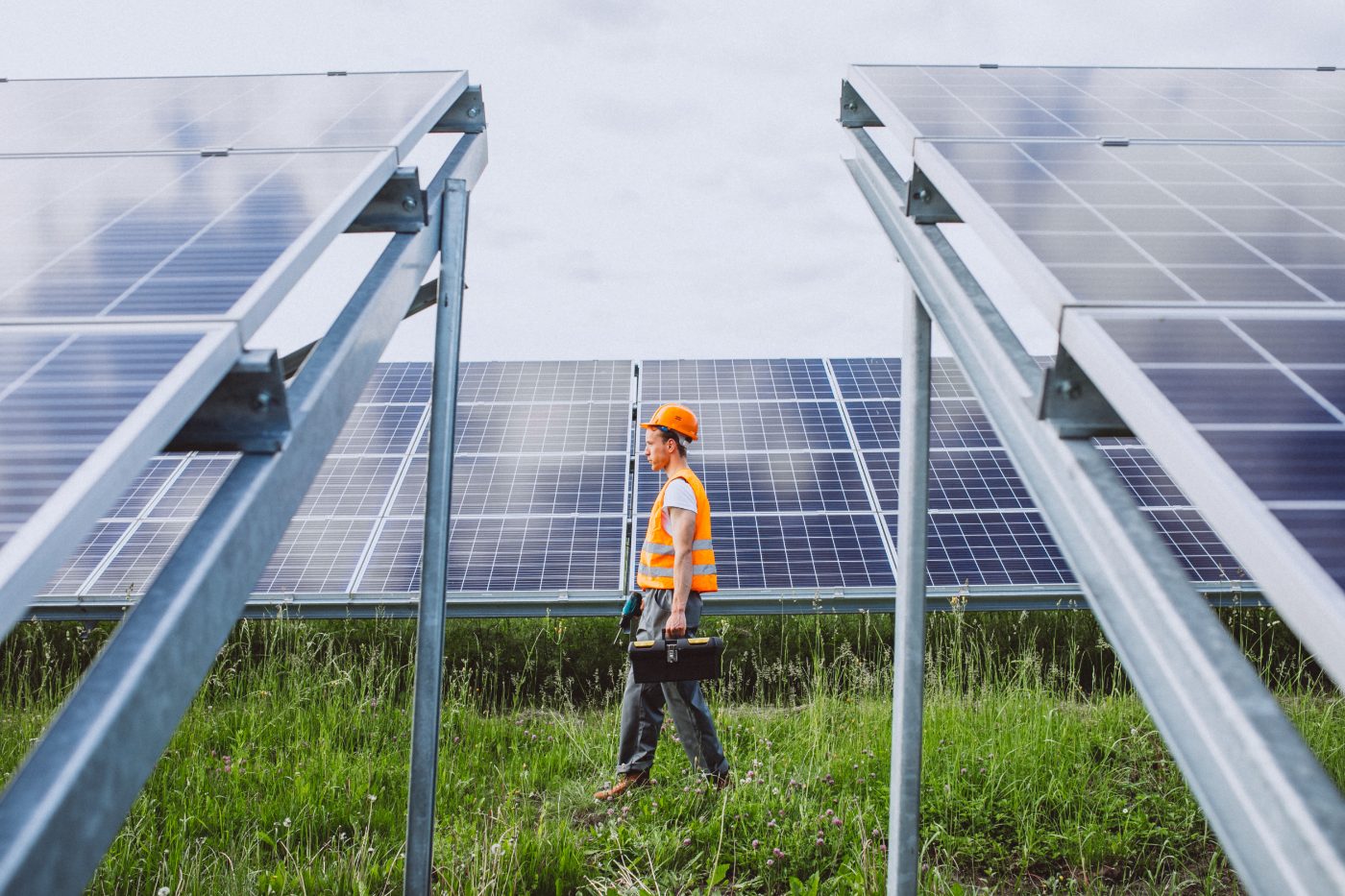
Thin-film solar panels deposit photovoltaic material in layers just one to two micrometers thick onto a substrate of glass, metal, or plastic. That is roughly 100 times thinner than a crystalline silicon wafer. The result is a lighter, more flexible module that can be manufactured in continuous rolls rather than cut from ingots. Commercial thin-film modules typically convert 11 % to 13 % of incoming sunlight to electricity, well below the 20 % to 23 % range of monocrystalline panels shipping in 2026, but the gap is narrower than the numbers imply once you factor in real-world temperature behavior and cost per kilowatt-hour produced.
For most residential rooftops, crystalline silicon remains the default because roof area is limited and efficiency per square foot drives system economics. Thin-film finds its residential niche on large flat commercial roofs, carport structures, building-integrated facades, and situations where structural load limits rule out heavier glass-glass crystalline modules. Understanding the technology helps you evaluate whether an installer suggesting thin-film is solving a real constraint or simply clearing inventory.
What thin-film means
The label "thin-film" refers to the manufacturing method, not a single chemistry. Instead of growing a silicon crystal, slicing it into wafers, and assembling discrete cells, thin-film producers deposit semiconductor material directly onto a substrate in a vacuum chamber. The deposition can happen via sputtering, chemical vapor deposition, or electroplating depending on the chemistry involved. Because the active layer is so thin, raw material consumption per watt is dramatically lower than crystalline silicon, which partially offsets the lower conversion efficiency at the module level.
Thin-film panels gained market share in the mid-2000s when polysilicon prices spiked, making the silicon-free approach economically compelling. As polysilicon dropped back to historic lows, crystalline recaptured residential dominance. Today, thin-film holds roughly 5 % of global module shipments but retains strong positions in utility-scale ground mount, building-integrated photovoltaics (BIPV), and portable or off-grid applications where weight and flexibility matter.
Want research like this in your inbox? Become a subscriber, free, no sales pitch.
Become a subscriber →Types of thin-film cells
Cadmium telluride (CdTe)
CdTe is the most commercially successful thin-film chemistry, led by First Solar. Modules ship at 18 % to 19 % efficiency in 2026, closing the gap with entry-level crystalline. CdTe performs well in high heat because its temperature coefficient is lower than silicon, meaning output drops less on a 100 °F afternoon. The main concern is cadmium toxicity, though First Solar operates a global recycling program and encapsulation prevents exposure during normal operation.
Copper indium gallium selenide (CIGS)
CIGS layers can be deposited on flexible substrates, enabling lightweight roll-up modules and curved building applications. Lab efficiency has reached 23 %, but commercial modules sit around 14 % to 16 %. Manufacturing complexity keeps costs higher than CdTe, and the supply chain for indium and gallium introduces pricing volatility. CIGS is the technology most likely to appear in residential BIPV products like solar shingles and awnings.
Amorphous silicon (a-Si)
Amorphous silicon was the original thin-film technology, found in calculators and small electronics since the 1970s. Module efficiency is only 6 % to 9 %, making it uncompetitive for rooftop generation but still viable for low-power applications and transparent building glass where some light must pass through.
Advantages over crystalline
- Lower weight: thin-film modules can weigh 50 % to 75 % less per square meter, easing structural requirements.
- Better heat tolerance: lower temperature coefficients mean less output loss on hot roofs.
- Flexible form factors: CIGS and a-Si can conform to curved surfaces or integrate into building materials.
- Shade tolerance: some thin-film chemistries degrade more gracefully under partial shading than crystalline strings.
- Lower embodied energy: thinner semiconductor layers mean less energy consumed during manufacturing.
Drawbacks to consider
- Lower efficiency per area: you need more roof space to match crystalline output.
- Faster degradation: some thin-film types lose 0.5 % to 1 % per year versus 0.3 % for quality crystalline.
- Limited residential availability: most installers stock only crystalline; thin-film requires specialty sourcing.
- Shorter track record: 25-year performance data is sparser compared to silicon panels deployed since the 1990s.
Residential use cases
Thin-film makes sense when roof structure cannot handle the 3 to 4 pounds per square foot load of crystalline panels plus racking. Older commercial buildings, mobile homes, and agricultural structures with lightweight trusses are common candidates. It also works for homeowners wanting building-integrated aesthetics, solar pergolas, or translucent patio covers where standard panels would look industrial. If your only constraint is cost per watt and you have adequate roof area, crystalline will almost always win on lifetime economics.
Cost and ROI comparison
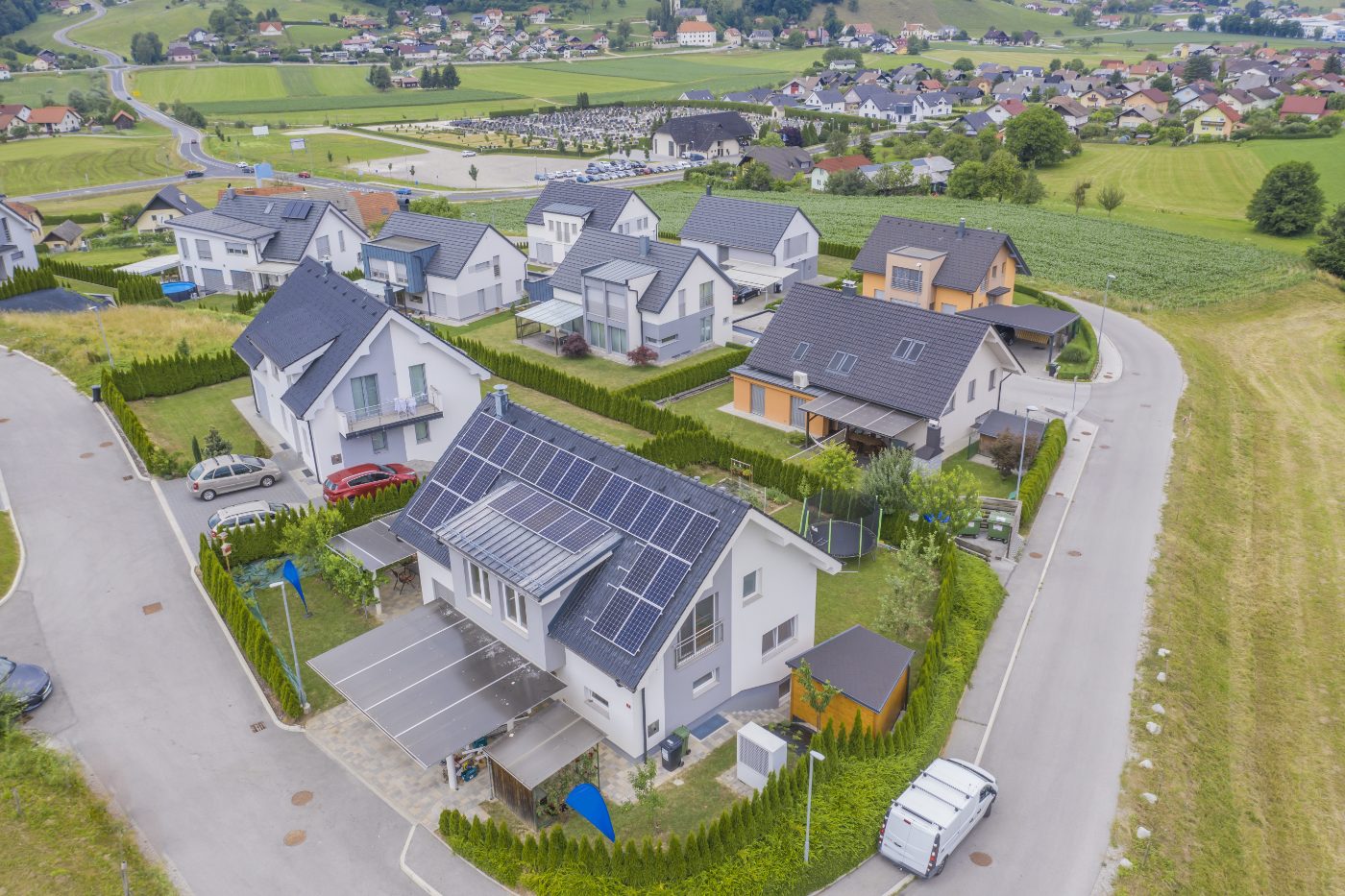
Thin-film panels cost roughly $0.20 to $0.35 per watt at the module level, compared to $0.25 to $0.45 for mainstream monocrystalline. However, installed system cost per watt can be similar or higher once you account for additional racking, wiring, and roof coverage needed to match the same output. The ROI comparison depends on your specific constraints: if thin-film lets you use a roof surface that crystalline cannot, the marginal generation is pure upside. If both technologies fit, crystalline's higher energy density usually delivers a shorter payback period.
Thin-film is a specialized tool, not an inferior one. If weight, flexibility, or heat tolerance is your binding constraint, it can outperform crystalline on lifetime cost per kWh. For most standard residential roofs, monocrystalline remains the default. See our mono vs poly comparison for the mainstream options.
Common questions
Are thin-film panels good for homes?+
They can be, but only when roof structure limits weight or you need flexible form factors. For standard pitched roofs with adequate load capacity, crystalline panels deliver more power per square foot and better long-term ROI.
How long do thin-film panels last?+
Most manufacturers warranty thin-film modules for 25 years, similar to crystalline. However, annual degradation rates tend to be slightly higher, around 0.5 % to 0.8 % per year for CdTe compared to 0.3 % to 0.5 % for quality monocrystalline.
Is thin-film cheaper than regular solar panels?+
At the module level, yes. But installed system cost often converges because you need more panels to reach the same output, which means more racking, wiring, and labor. Total cost per watt installed is typically similar unless the project has unique constraints.
Become a subscriber
Free updates on costs, incentives and panel tech, written for homeowners, not sales teams.
Become a subscriber →