Roof Requirements for Solar Panels
Age, material, pitch, orientation, structural capacity, and shade all determine whether your roof is ready for solar, or needs work first.
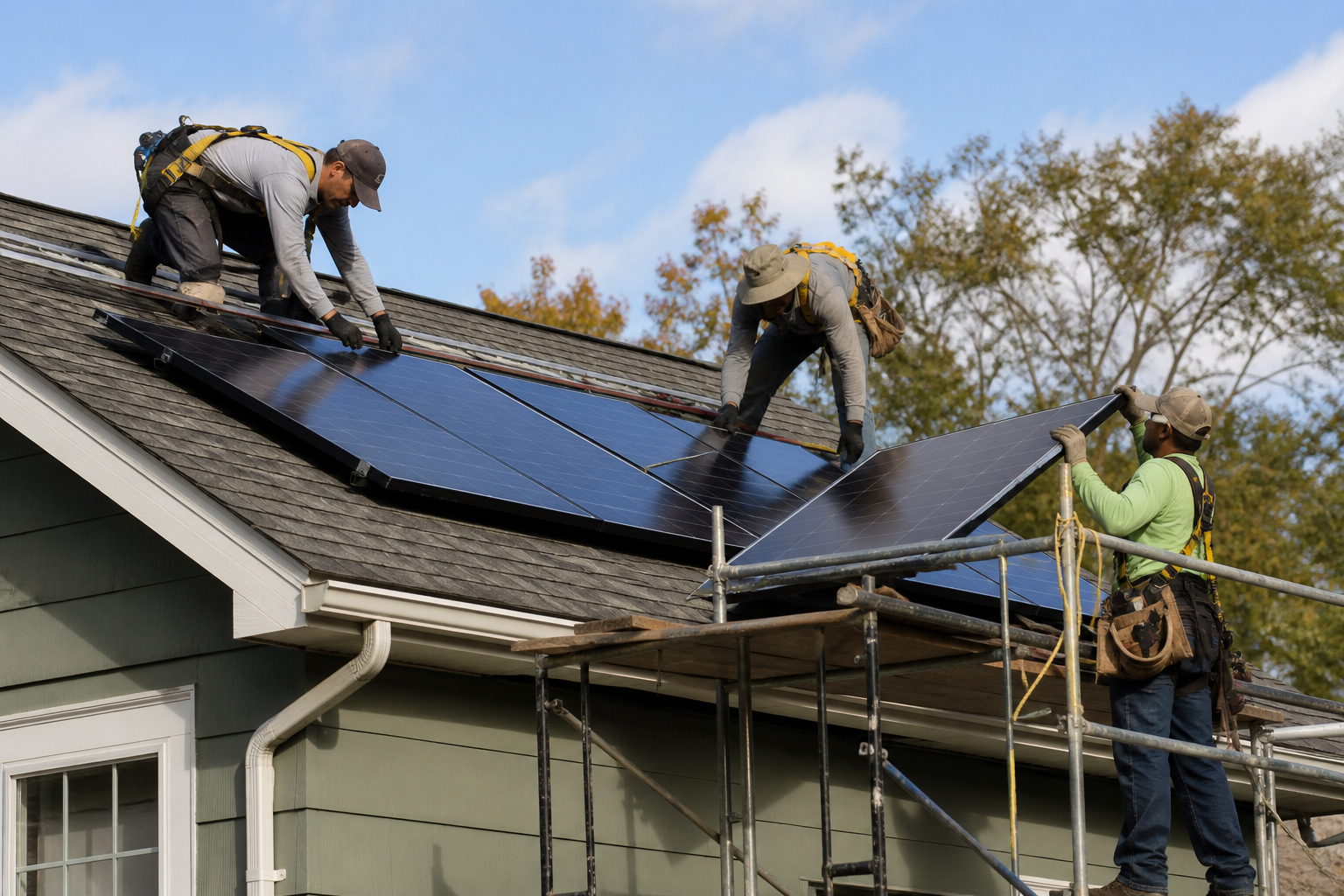
Your roof is the foundation of a solar investment that should produce power for 25 to 30 years. If the roof needs replacement in five years, installing panels now means paying to remove and reinstall them later, a cost of $1,500 to $4,000 that erodes your ROI. A thorough roof assessment before signing a solar contract saves money, prevents delays, and ensures the system performs as modeled. Most reputable installers include a roof evaluation in their site survey, but understanding the criteria yourself helps you ask better questions and catch oversights.
The five factors that matter most are roof age and remaining useful life, material compatibility with solar mounting systems, pitch and compass orientation, structural load-bearing capacity, and shading from trees or adjacent structures. A roof that checks all five boxes is ready to go. A roof that fails one or two may need targeted repairs, re-roofing, or tree trimming before installation, all of which are standard and manageable if identified early.
Roof age and condition
Asphalt shingle roofs last 20 to 30 years depending on climate and quality. If your roof is more than 15 years old, most solar installers will recommend a roofing inspection or, in some cases, will decline to install until the roof is replaced. The logic is straightforward: removing panels for a mid-life re-roof costs $2,000 to $4,000 in labor and risks damage. If your roof has 10 or more years of remaining life, you are generally safe to proceed. Some installers partner with roofing companies to bundle a re-roof with the solar install at a discount, which is worth exploring if your roof is borderline.
Look for visible indicators of age: curling shingles, granule loss in gutters, cracked or missing shingles, moss growth, and sagging ridgelines. Interior signs include water stains on attic sheathing or daylight visible through the roof deck. Any of these warrant a professional inspection before solar design proceeds.
Want research like this in your inbox? Become a subscriber, free, no sales pitch.
Become a subscriber →Compatible roofing materials
Composition asphalt shingles
The most common residential roofing material in the US and the easiest to mount solar on. Standard rail-based racking uses lag bolts into rafters with flashed standoffs that maintain the roof's water barrier. Installation is straightforward, and repair or panel removal is well-understood by any roofer.
Standing-seam metal
Standing-seam metal roofs are excellent for solar because clamp-based mounting systems grip the seams without penetrating the roof surface. No holes means no leak risk. Metal roofs also last 40 to 60 years, nearly matching the solar system's lifespan. The only consideration is seam spacing; panels must align with the raised seams.
Tile roofs (clay or concrete)
Tile roofs require specialized mounting. Installers typically remove tiles beneath the panel footprint, install standoffs on the underlying battens, and replace tiles around the hardware. Tile is fragile and the process is labor-intensive, adding $0.10 to $0.30 per watt to installation cost. Some installers refuse tile projects because of the higher warranty risk.
Flat or low-slope roofs
Flat roofs use ballasted or tilt-up racking systems that angle panels at 10 to 15 degrees for runoff and production. Wind uplift calculations are critical because the panels act as sails. Weight from ballast (concrete blocks) can approach the roof's structural limit, so an engineer's signoff is more common on flat commercial roofs than pitched residential structures.
Pitch and orientation
Optimal production in the US occurs on south-facing surfaces tilted at an angle roughly equal to your latitude, typically 25 to 40 degrees for the continental US. East or west-facing panels produce about 15 % to 20 % less annually but can still deliver strong economics, especially under time-of-use billing where afternoon (west) production aligns with expensive rate windows. North-facing surfaces in the northern hemisphere produce too little to justify installation in most cases.
Very steep roofs (above 45 degrees) and very flat roofs (below 10 degrees) reduce output modestly but do not disqualify installation. Steep roofs self-clean with rain and shed snow effectively. Flat roofs accumulate dust faster and may pond water against panel frames, requiring tilt-up mounts. Your installer's production modeling software accounts for tilt and azimuth, so ask for the specific annual kWh estimate for your roof plane rather than relying on rules of thumb.
Structural load capacity
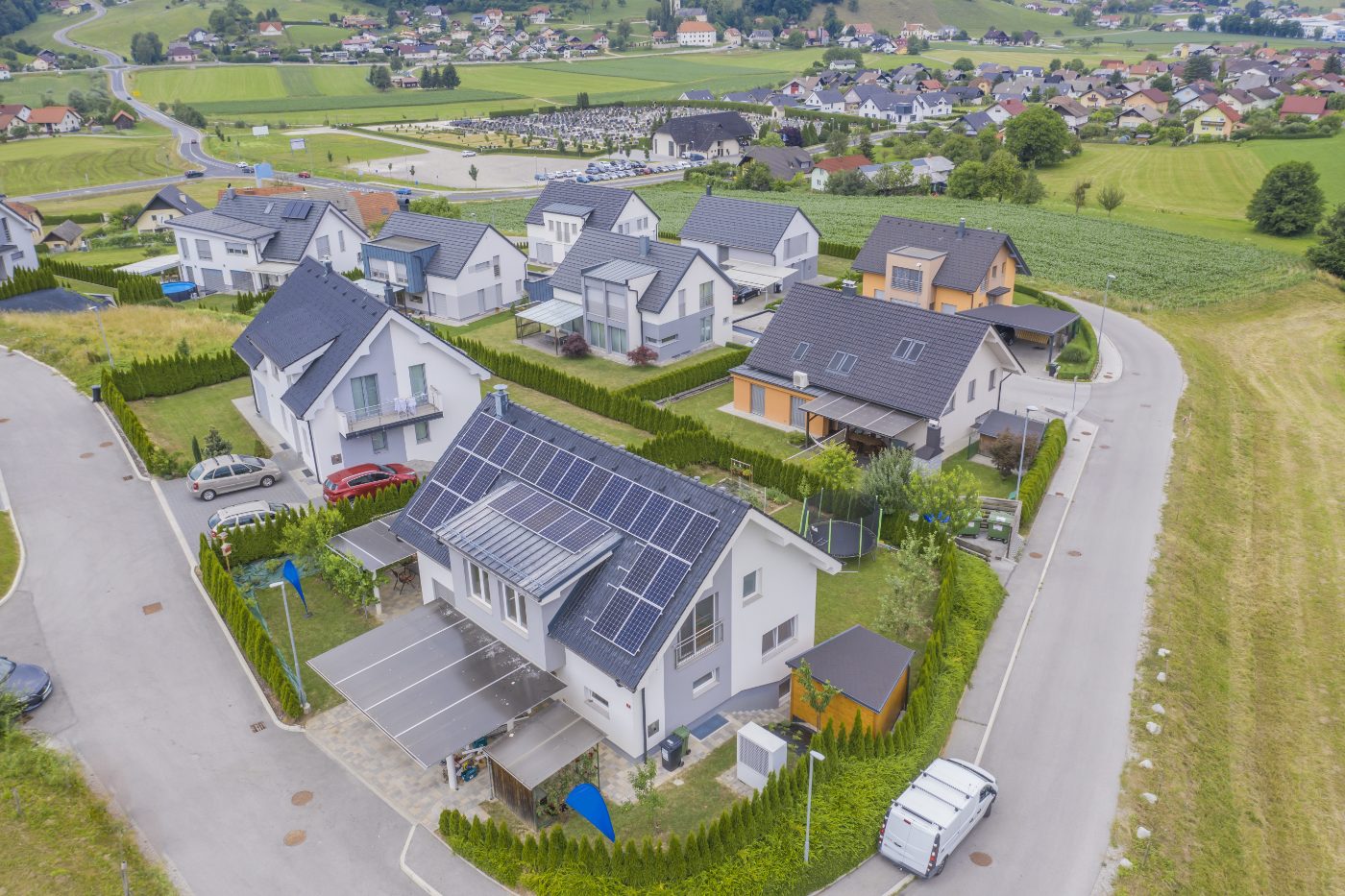
A typical solar array adds 3 to 5 pounds per square foot to the roof load, including panels, racking, and hardware. Most residential roofs built to modern code can handle this without modification. However, older homes, homes in regions with low snow-load design requirements, and homes with long unsupported rafter spans may need structural reinforcement. Your installer should perform a load calculation based on your rafter size, spacing, span, and existing dead loads. If reinforcement is needed, it is typically sister rafters or plywood gussets, costing $500 to $2,000 depending on scope.
Shade assessment
Shade is the single biggest production killer. Even partial shade on one panel can reduce output of an entire string by 30 % or more with string inverters. Installers use tools like the Solmetric SunEye, drone-based lidar, or satellite shade modeling (Aurora, Helioscope) to estimate annual shade losses hour by hour. A rule of thumb: if more than 20 % of your planned array footprint is shaded between 9 AM and 3 PM for more than two months of the year, production losses become significant and you should either trim trees, relocate panels, or use microinverters to isolate shaded modules.
Pre-install preparation
- Get a roofing inspection if shingles are more than 12 years old.
- Trim or remove trees that cast shade on the target roof section during peak sun hours.
- Repair flashing and vents in the solar footprint area before racking is installed.
- Check attic access: installers need to inspect rafter condition and may need to run conduit.
- Confirm HOA rules: some associations restrict panel placement or require architectural approval.
- Clear gutters and drainage: water backup under panels accelerates shingle degradation.
If your roof has fewer than 10 years of remaining life, replace it before installing solar. Bundling both projects with the same company or coordinating crews saves removal/reinstallation costs later. Some solar installers offer roof warranties when they bundle. See our installation process guide for what happens after the roof is ready.
Common questions
Can I put solar panels on an old roof?+
You can if the roof is structurally sound, but it is not advisable if re-roofing is needed within 10 years. Removing and reinstalling panels during a future re-roof costs $1,500 to $4,000 and risks damage. Most installers recommend at least 10 years of remaining roof life.
What roof pitch is best for solar panels?+
In the continental US, 25 to 35 degrees on a south-facing plane is optimal. East and west orientations lose 15 % to 20 % but remain viable. Very flat roofs work with tilt-up mounts, and very steep roofs still produce well with slightly reduced annual yield.
Do solar panels damage your roof?+
Properly installed panels should not damage your roof. Lag bolts are sealed with flashing and sealant to prevent leaks. In fact, panels protect the underlying shingles from UV and weather, often extending their life. Damage typically occurs only from improper installation or unqualified crews.
Become a subscriber
Free updates on costs, incentives and panel tech, written for homeowners, not sales teams.
Become a subscriber →